
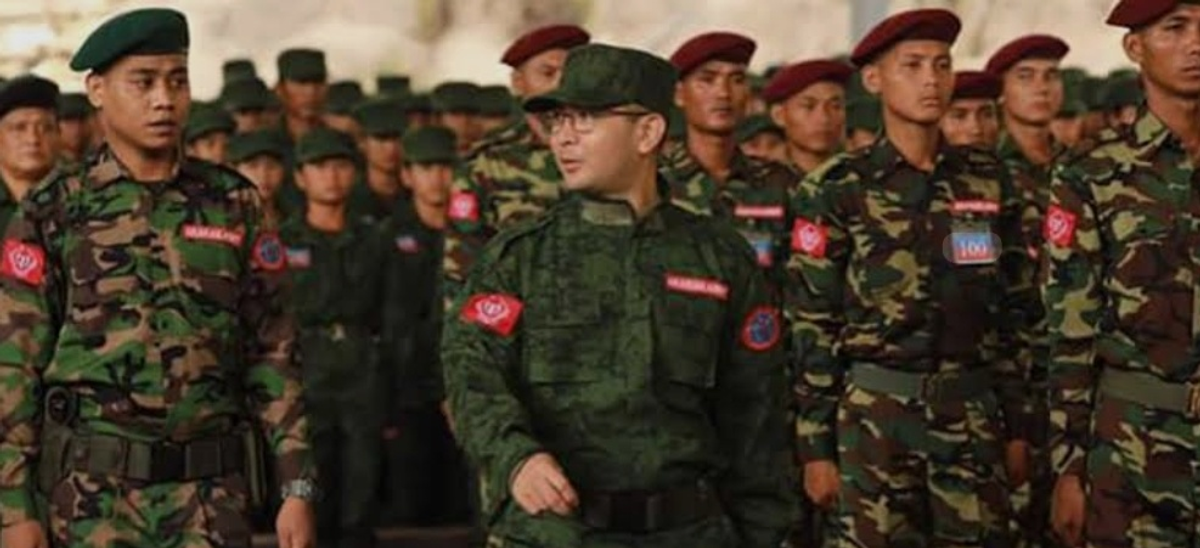
Sexual violence against Rohingya women and girls is reportedly intensifying in Myanmar’s Rakhine State, where they face rape, gang rape, torture, arbitrary detention, and coercion under the Arakan Army (AA), according to a new report released Thursday.
The findings, published by the Burmese Rohingya Organisation UK (BROUK), describe what it calls a consistent pattern of abuse targeting Rohingya women and girls in northern Rakhine State. The area has seen expanding Arakan Army territorial control since 2023, alongside escalating conflict and mass displacement.
BROUK alleges that sexual violence is being used as a method of intimidation and control during recruitment raids, detention operations, and periods of incommunicado confinement. The report argues that these abuses are occurring against a community already under severe protection risks and movement restrictions.
Most documented incidents originate from northern Rakhine State, where Rohingya populations reportedly face forced recruitment pressure, arbitrary detention, and restricted mobility under armed control.
In one case cited in the report, a 22-year-old Rohingya woman was allegedly gang-raped by seven Arakan Army members while fleeing violence with her husband. Her husband was later killed. In another case, a young woman separated from her family during escape was later found after being raped by multiple fighters, according to the report.
“These attacks took place as Rohingya communities were scattered, displaced and left without protection during flight from violence,” BROUK stated.
The situation unfolds amid worsening displacement trends. According to the report, more than 150,000 Rohingya have fled to Bangladesh since late 2023, adding to nearly one million already living in refugee camps in Cox’s Bazar. It also notes that nearly 900 Rohingya are believed to have died or gone missing at sea in 2025, marking what is described as the deadliest year on record for maritime crossings.
The UN refugee agency has previously described the Andaman Sea as an “unmarked grave” for Rohingya refugees, reflecting the scale of deadly migration routes.
BROUK President Tun Khin said the international community has repeatedly failed to dismantle the structures enabling atrocities against the Rohingya.


