
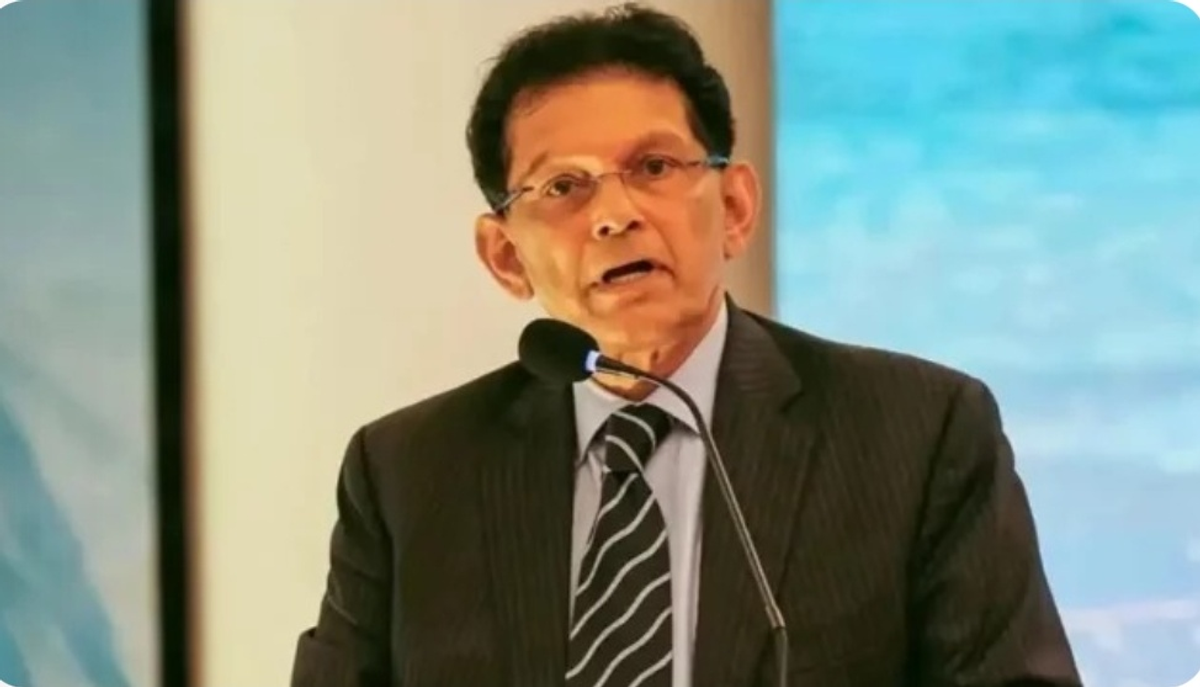
DHAKA, Bangladesh: Foreign Minister Khalilur Rahman said on Wednesday that the government is actively working to facilitate dialogue between Myanmar authorities and the Arakan Army to help restore stability in Rakhine State, describing it as a necessary condition before the safe return of Rohingya refugees can begin.
Speaking in parliament in response to a question from MP Shahjahan Chowdhury, Rahman described Rohingya repatriation as a "complex, sensitive, and multidimensional international issue" that depends on three key factors: security in Rakhine State, sustained international pressure, and the willingness of Myanmar authorities to cooperate.
"Since conflict and armed violence have persisted in Rakhine for many years, repatriation cannot be imposed or carried out under unsafe conditions in line with international law," he said. "However, our government believes dialogue is essential for creating stability, and we are working toward that goal."
He added that preparations are in their final stages to ensure safe and sustainable repatriation can begin when conditions permit. While he offered no specific timeline, he reaffirmed the government's commitment to the permanent, voluntary, and secure return of Rohingya Muslims through a carefully planned process.
Criticism of the Previous Government
Rahman criticised the previous Awami League government's approach, saying it had focused primarily on highlighting the humanitarian dimensions of the crisis to secure donor funding rather than pursuing a lasting political solution. He said this approach gradually shifted international attention away from resolving the crisis, thereby prolonging it.
Renewed International Engagement
To restore global attention to the issue, Rahman said the interim government invited United Nations Secretary-General António Guterres to Bangladesh in 2025, during which Guterres visited Rohingya refugee camps in Cox's Bazar. A special stakeholder conference was subsequently held in Cox's Bazar on August 25, 2025, followed by a day-long conference at UN Headquarters in New York on September 30, helping place the Rohingya crisis back at the centre of international humanitarian discussions.


