
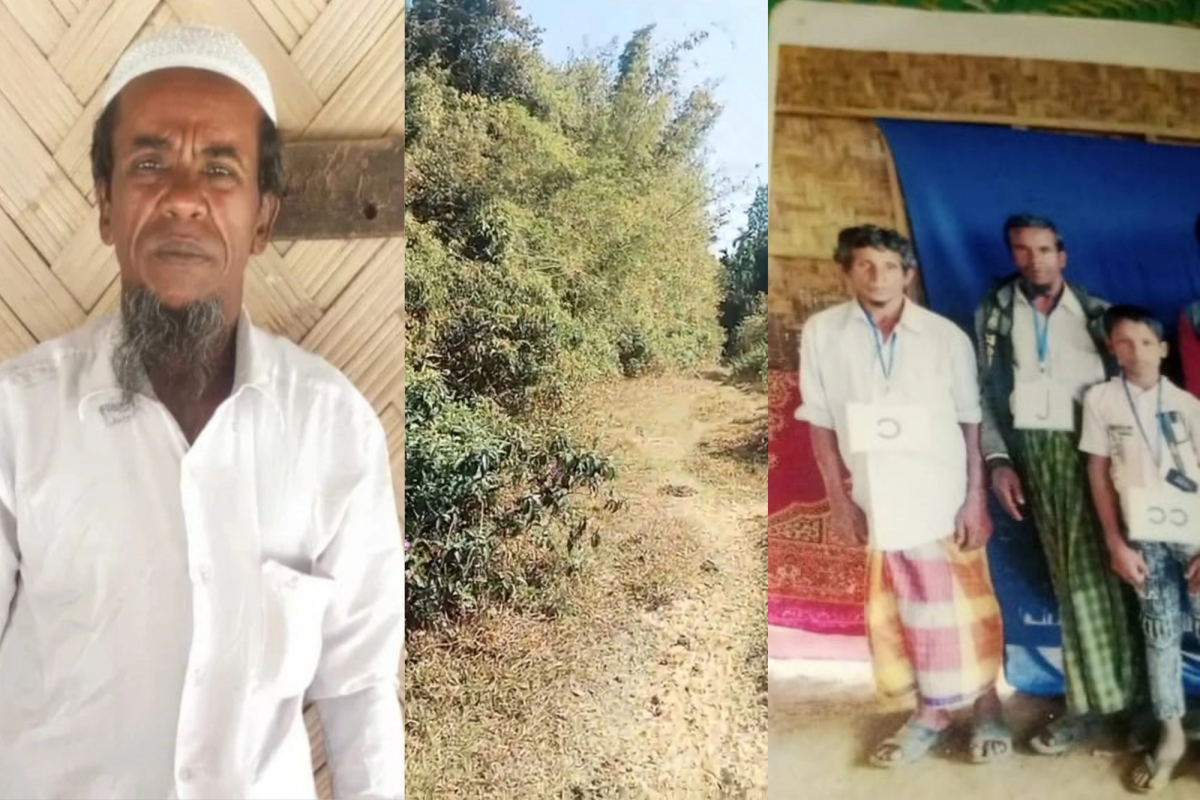
MAUNGDAW, Rakhine State — Reports from northern Maungdaw suggest that Rohingya civilians continue to face severe abuses, with local residents describing a pattern of forced displacement, violence, and land seizure linked to the Arakan Army.
According to testimonies from villagers, an incident on October 7, 2024, marked a turning point for residents of Myaw Taung village(Chaliprang). At around 9:00 AM in the morning, families were forced out of their homes by Arakan Army fighters after what locals say was more than a year and a half of sustained pressure and restrictions. Residents describe the eviction as part of a broader effort to remove Rohingya communities from their long-held lands.
Most of those displaced fled to nearby villages such as Tha Yet Oek, Thu U Lar, and U Shin Kya. They are now living in difficult conditions as internally displaced persons, with limited access to work, food, and basic services.
After taking full control of Myaw Taung(Chaliprang), local accounts state that homes were destroyed and personal belongings were taken. Livestock, including cattle, buffaloes, and goats, were reportedly seized and sold. Villagers also say that new houses were later constructed for incoming Rakhine settlers on land that previously belonged to Rohingya families. According to these accounts, the move appears aimed at permanently altering the demographic composition of the area.
Former residents say they have not been allowed to return to Myaw Taung(Chaliprang). Access to the village remains restricted, and a permanent Arakan Army presence has been established there, with armed personnel stationed inside the area.
More recently, another incident has deepened concerns among local communities. On March 10, 2026, four Rohingya men who had gone to collect firewood on Waras Hill were reportedly captured and killed by Arakan Army soldiers, according to local sources.
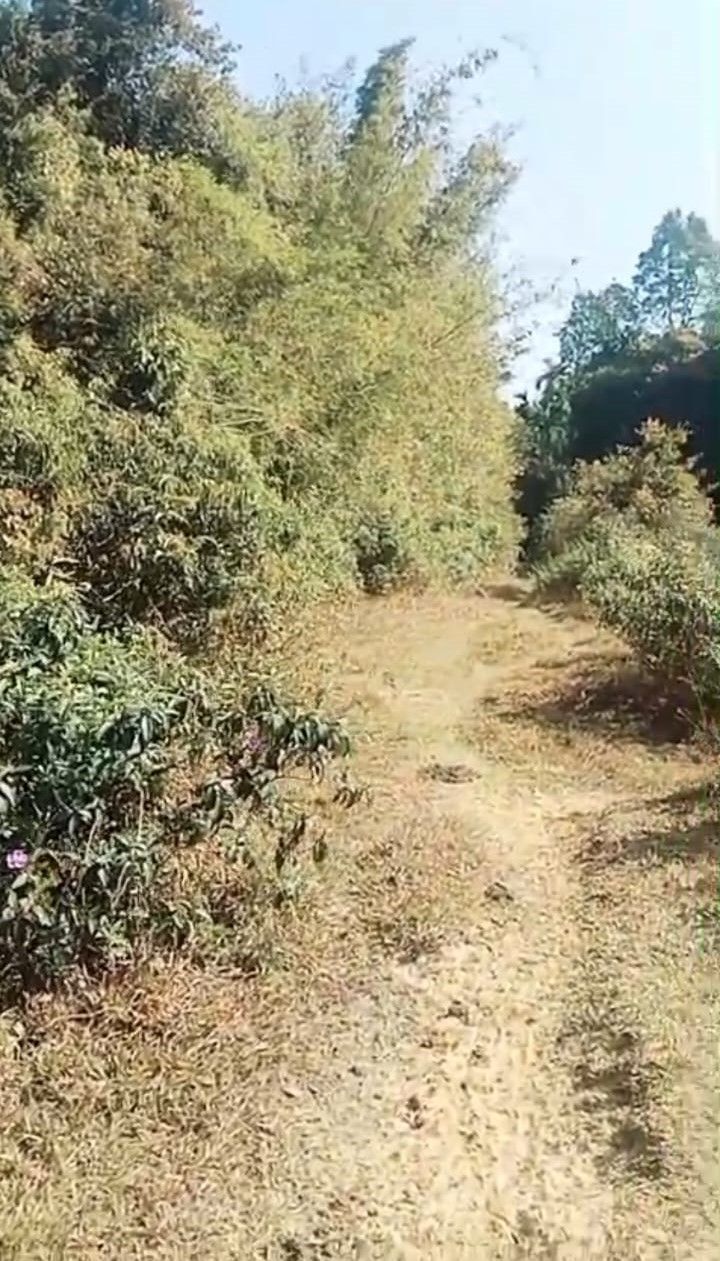
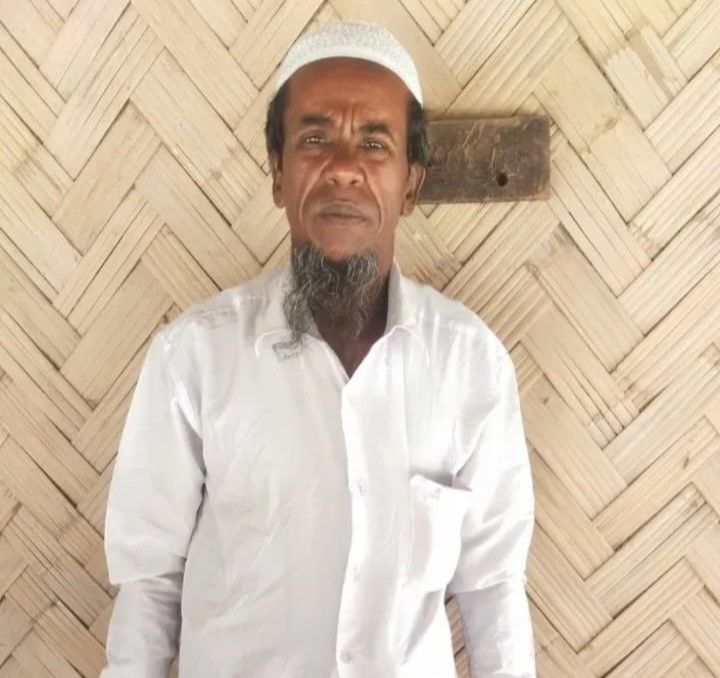
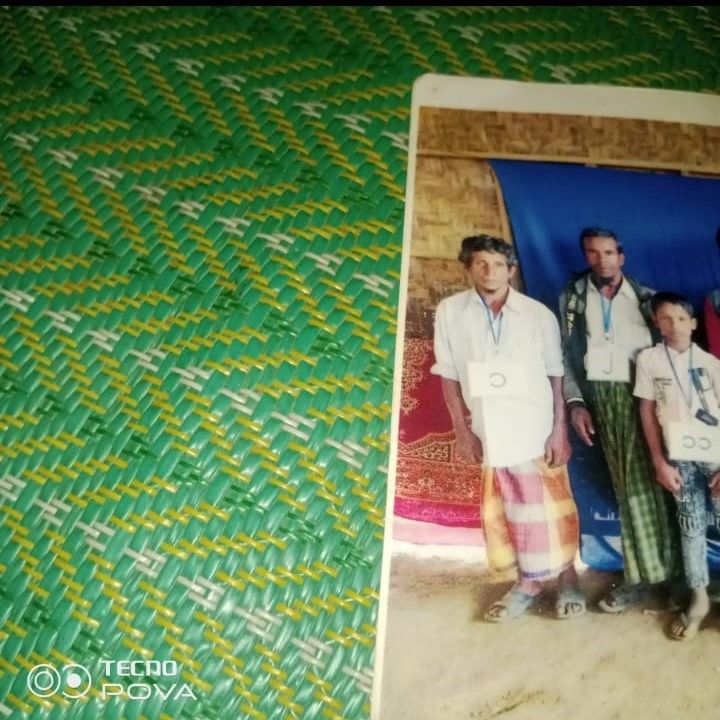
The victims were identified as Abul Hussain, 55, and Zabul Hussain, 52, both sons of U Hawtawdin; Aman Ullah, 36, son of U Mawdawn; and Muhammad Tofail, 34, son of U HasuMyia. Residents state that all four were unarmed civilians.
People in the region say that those who remain in northern Rakhine continue to live under constant fear, with reports of ongoing violence, forced displacement, and arbitrary detention. Allegations of abuse against women have also been raised by local sources.
Human rights observers note that if verified, such acts could constitute serious violations of international law, including war crimes. Local sources are calling on international organizations, including the United Nations, to carry out independent investigations and take steps to ensure accountability.
Residents warn that without outside intervention, the situation is unlikely to improve, and further violence may follow.


